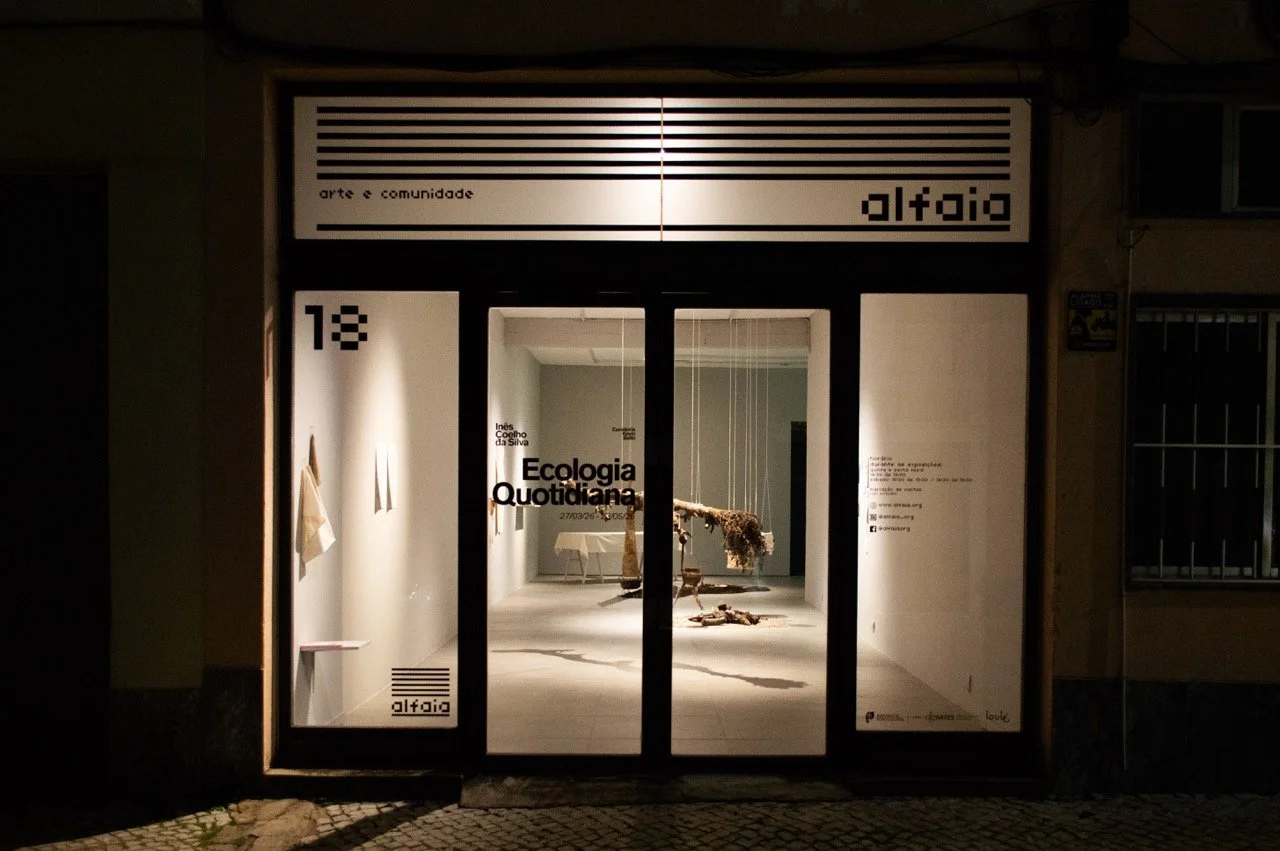
Ecologia Quotidiana (2026)
curated by Kevin Bellò
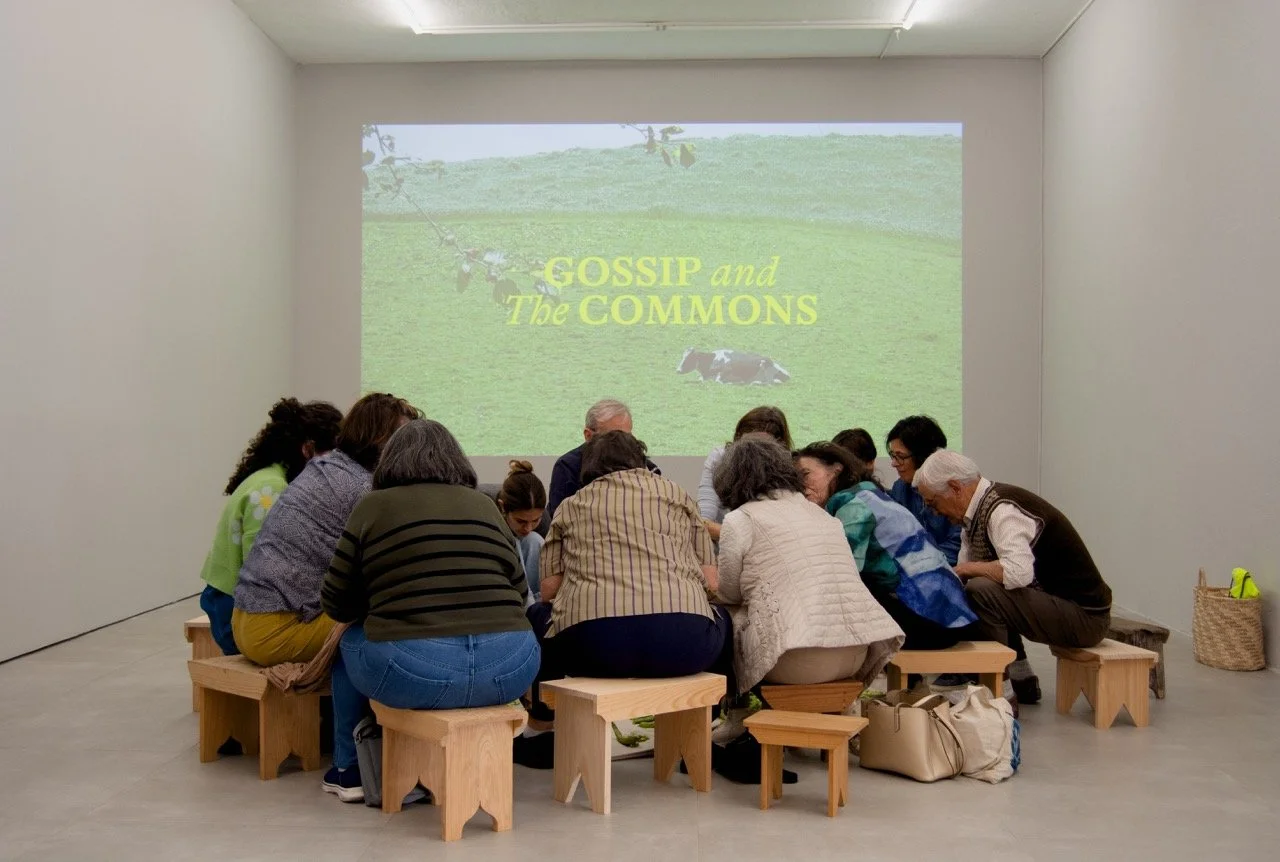
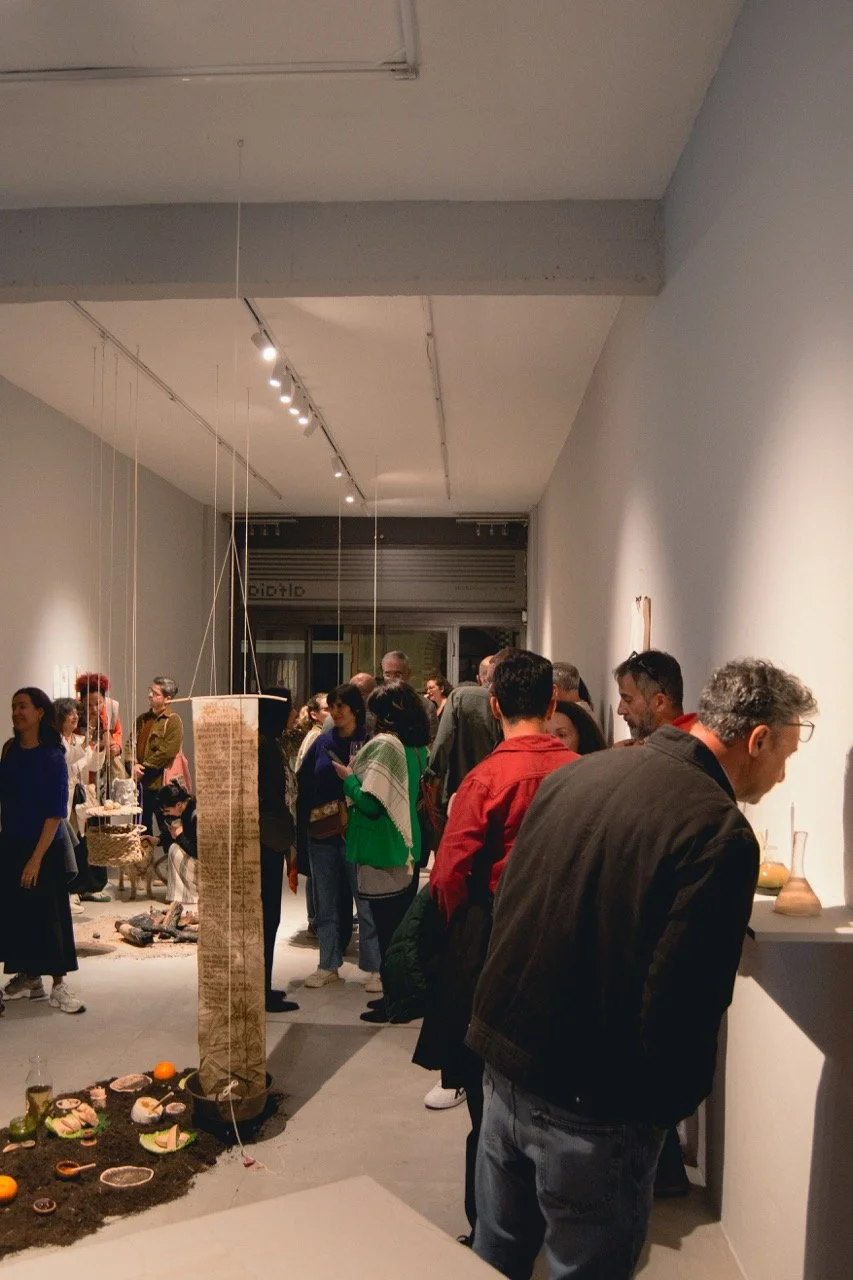
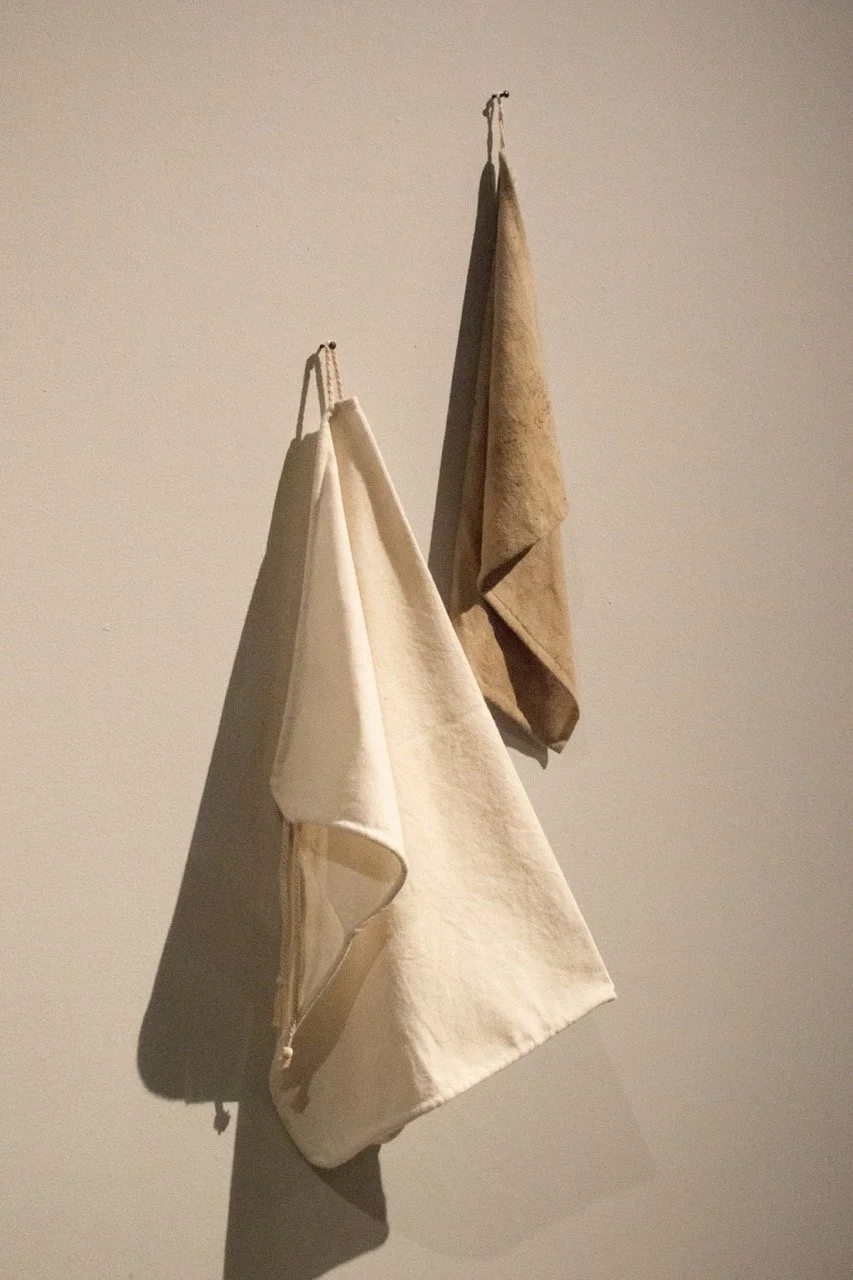
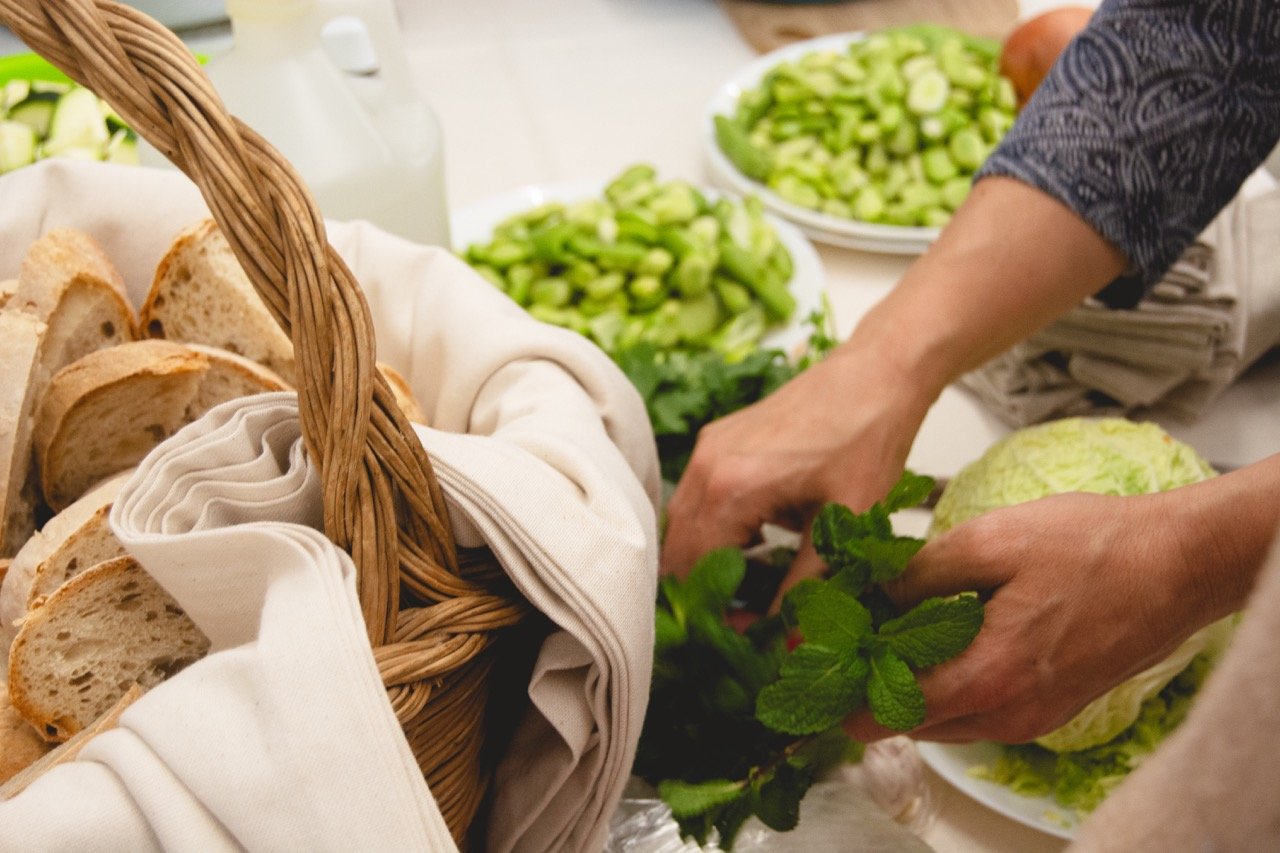
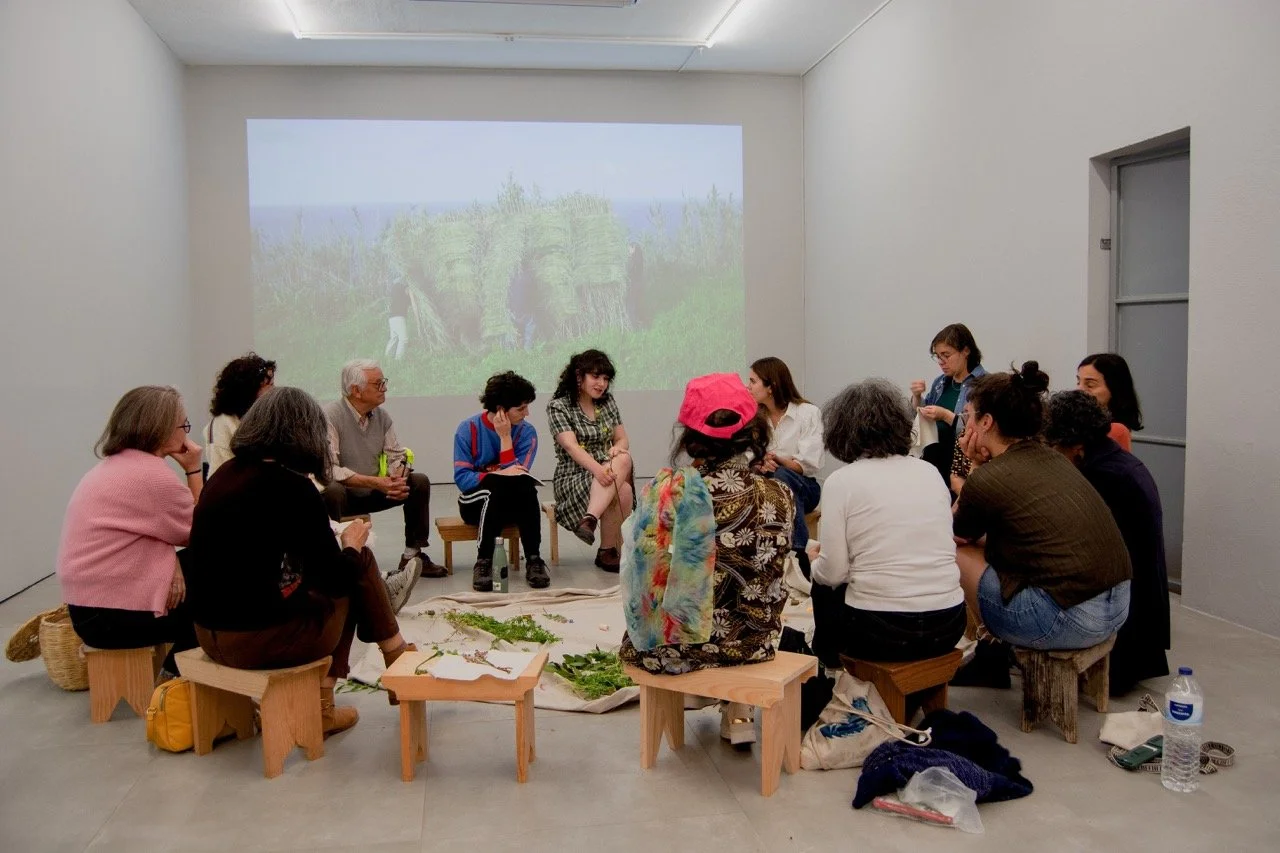
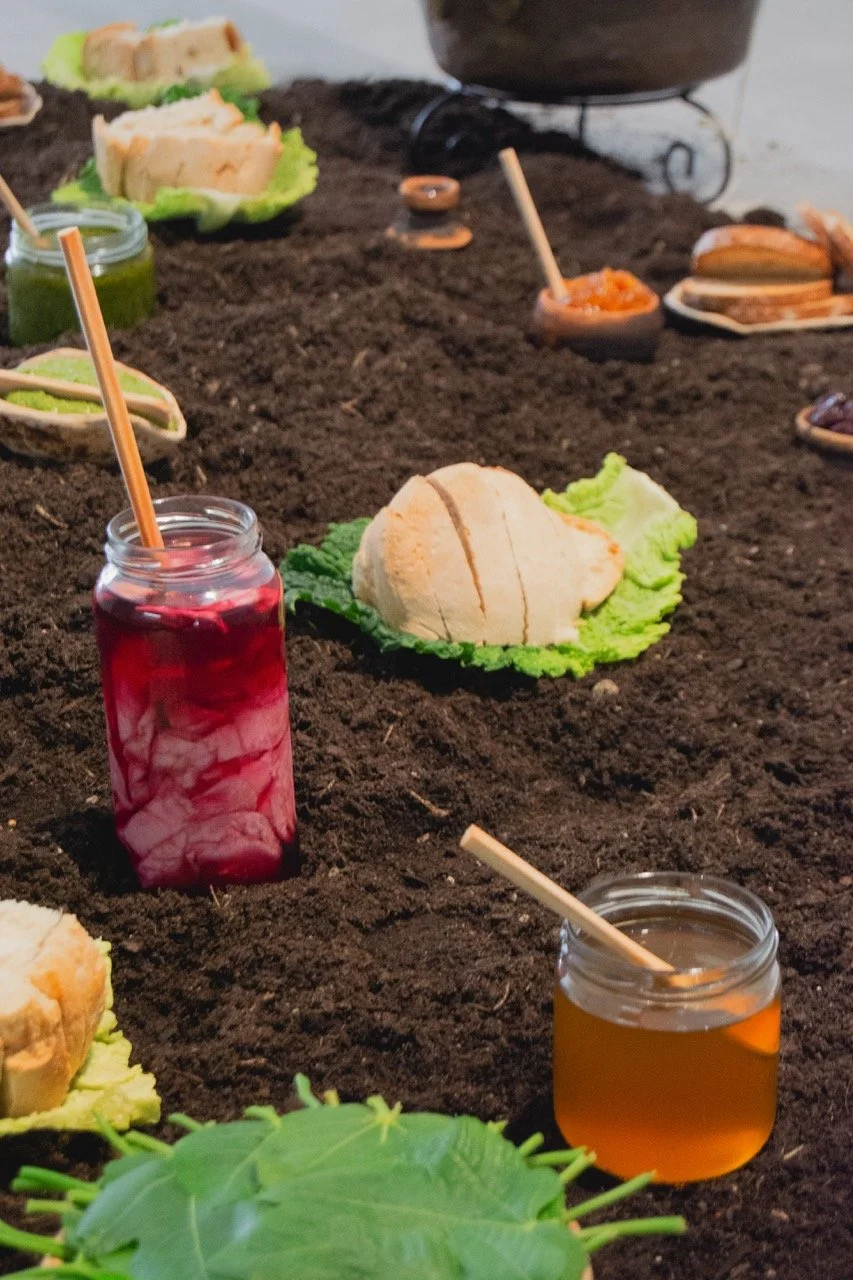
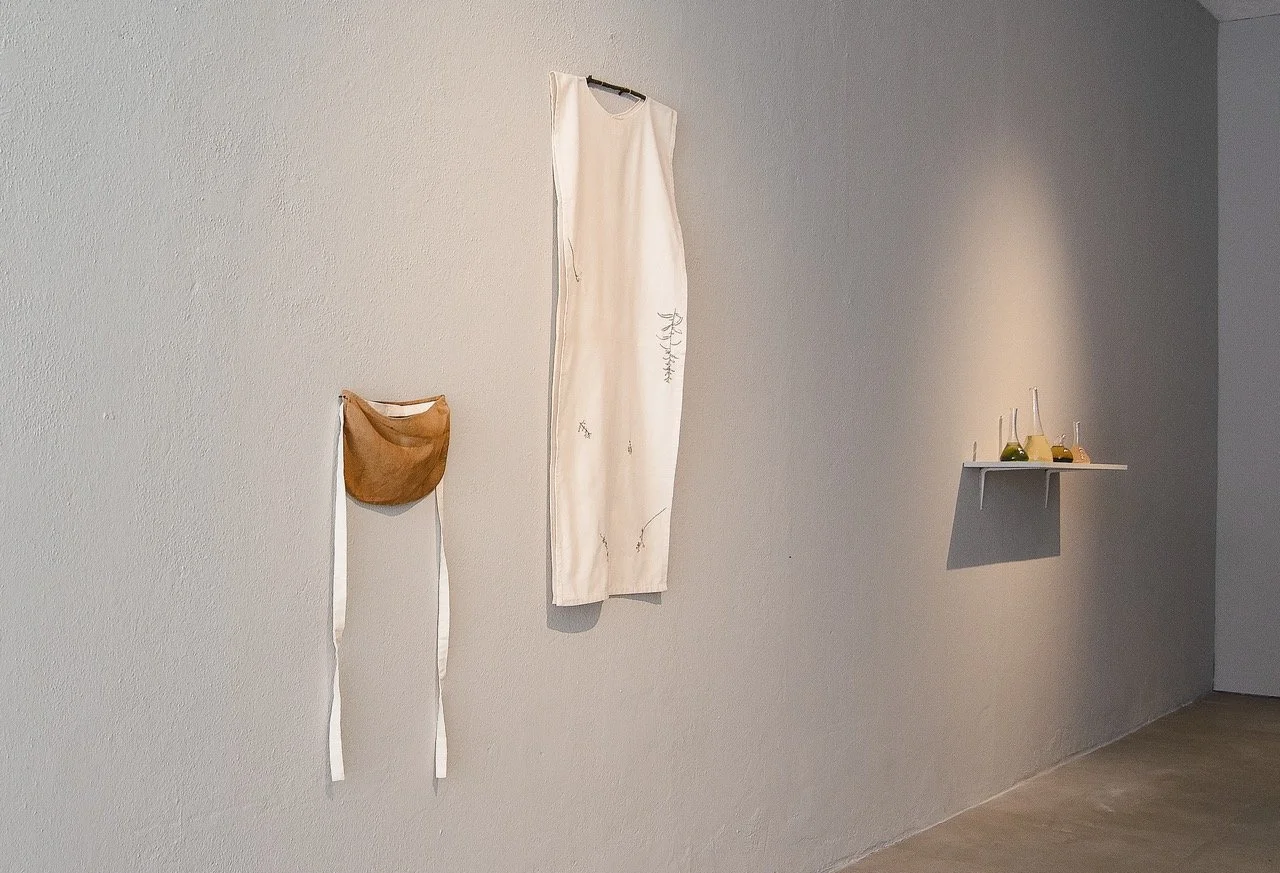
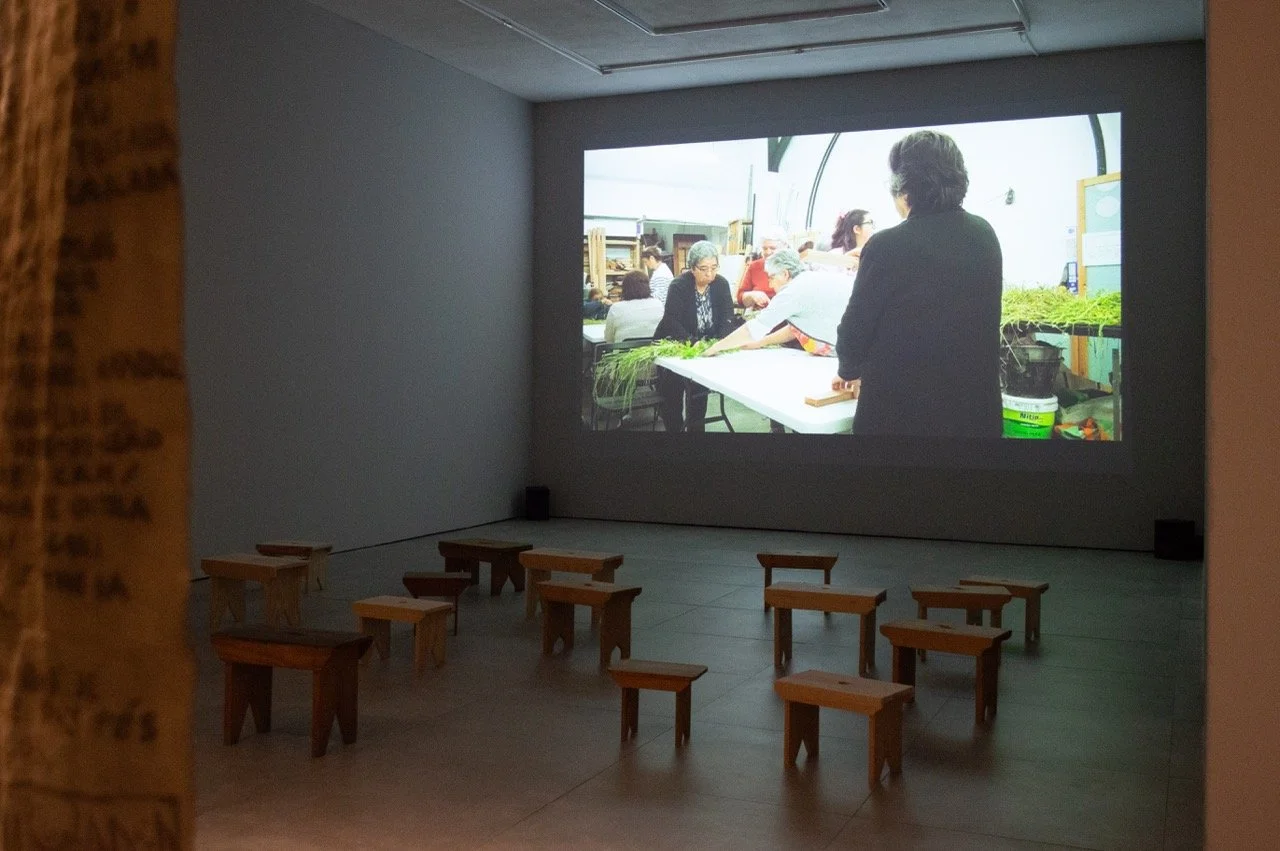
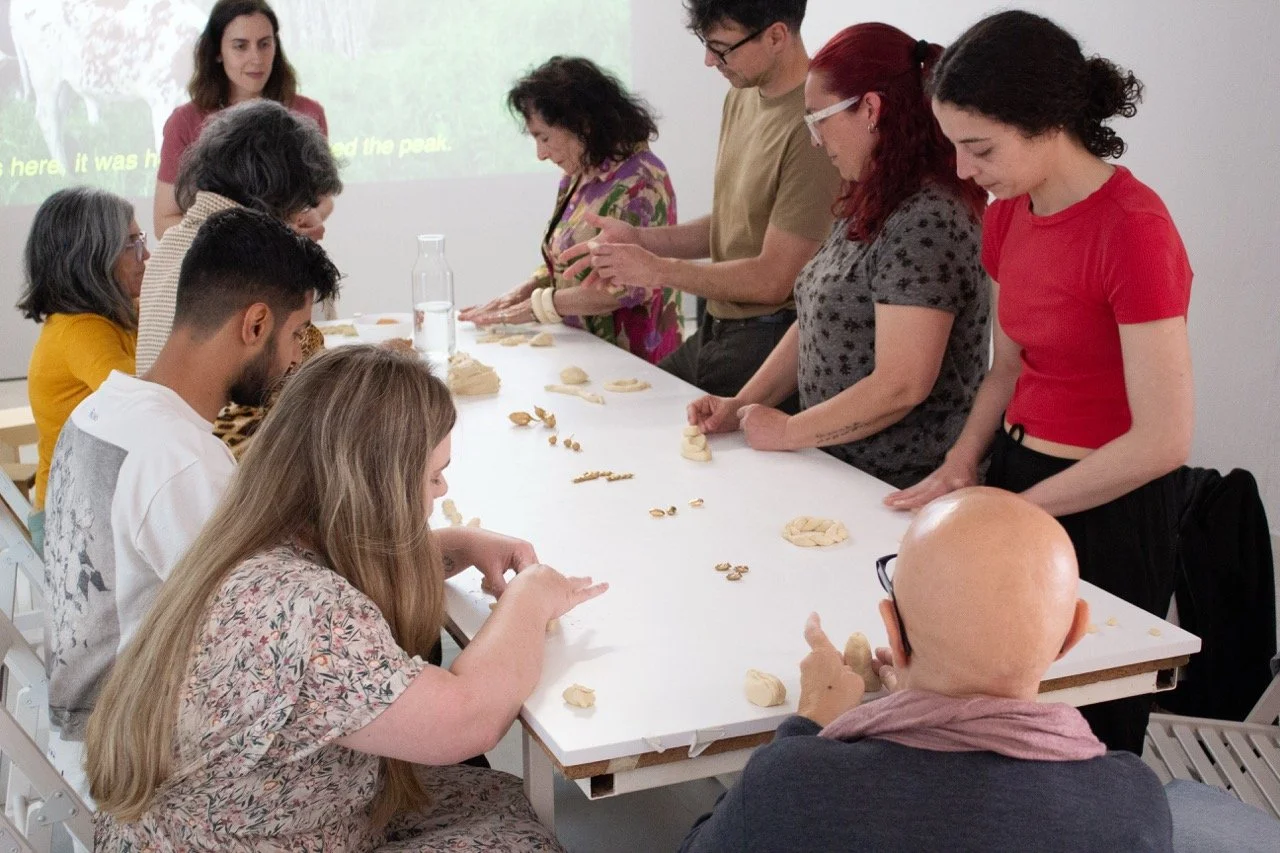
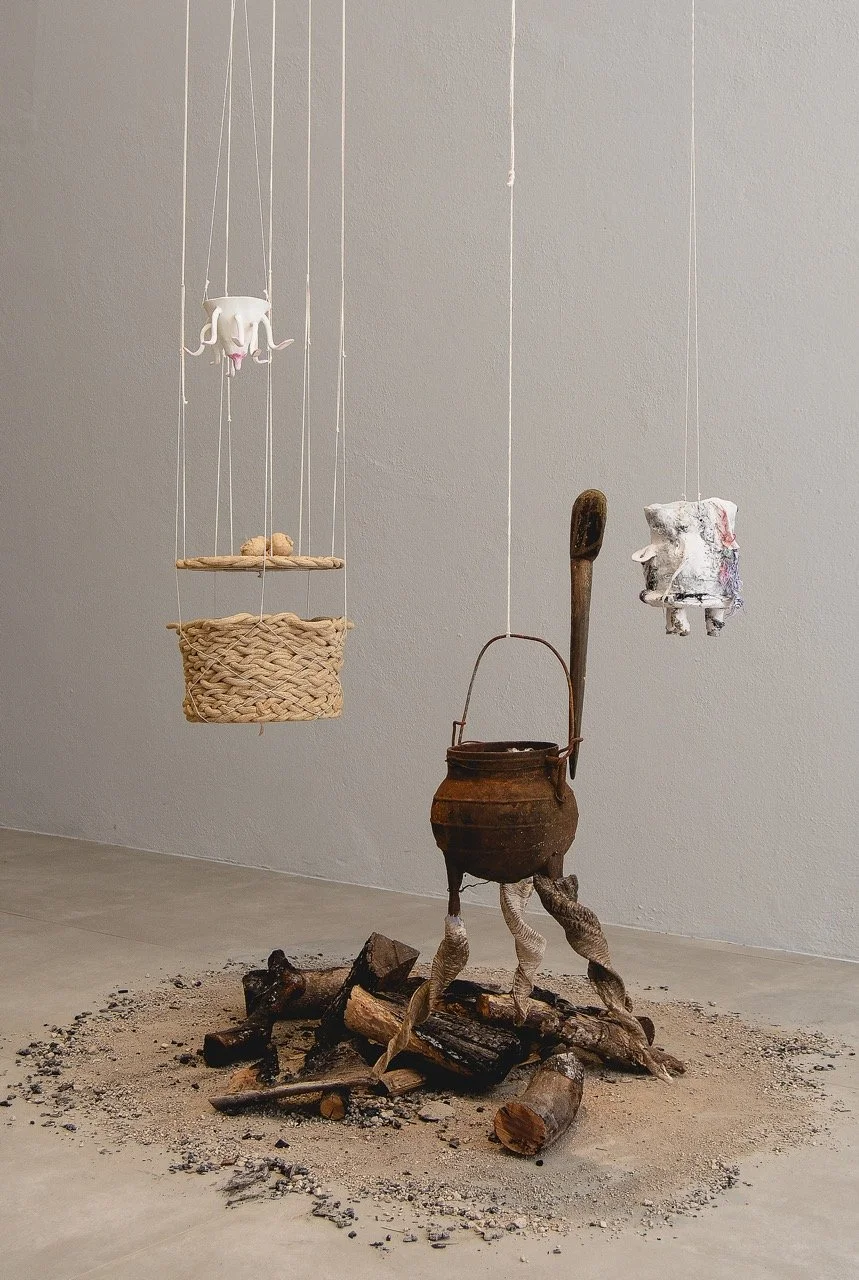
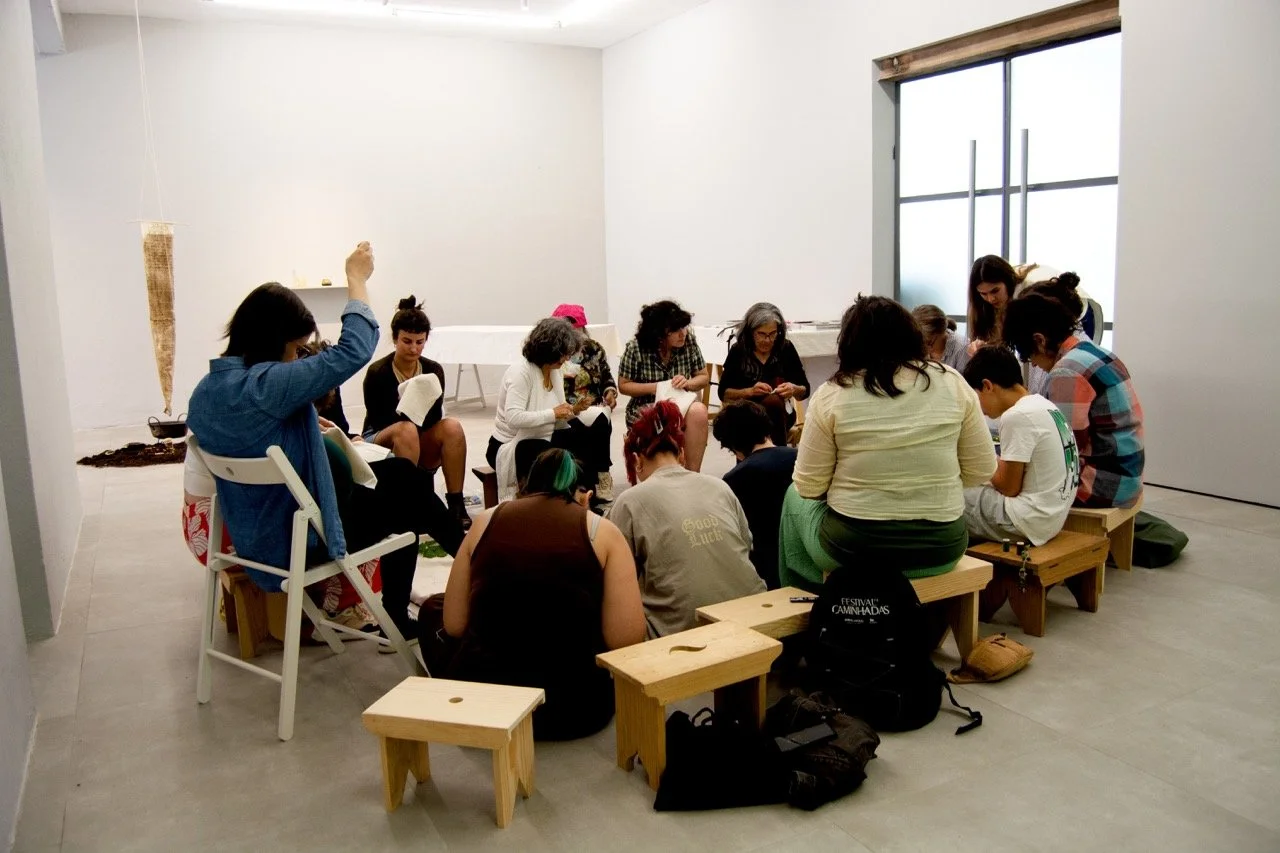
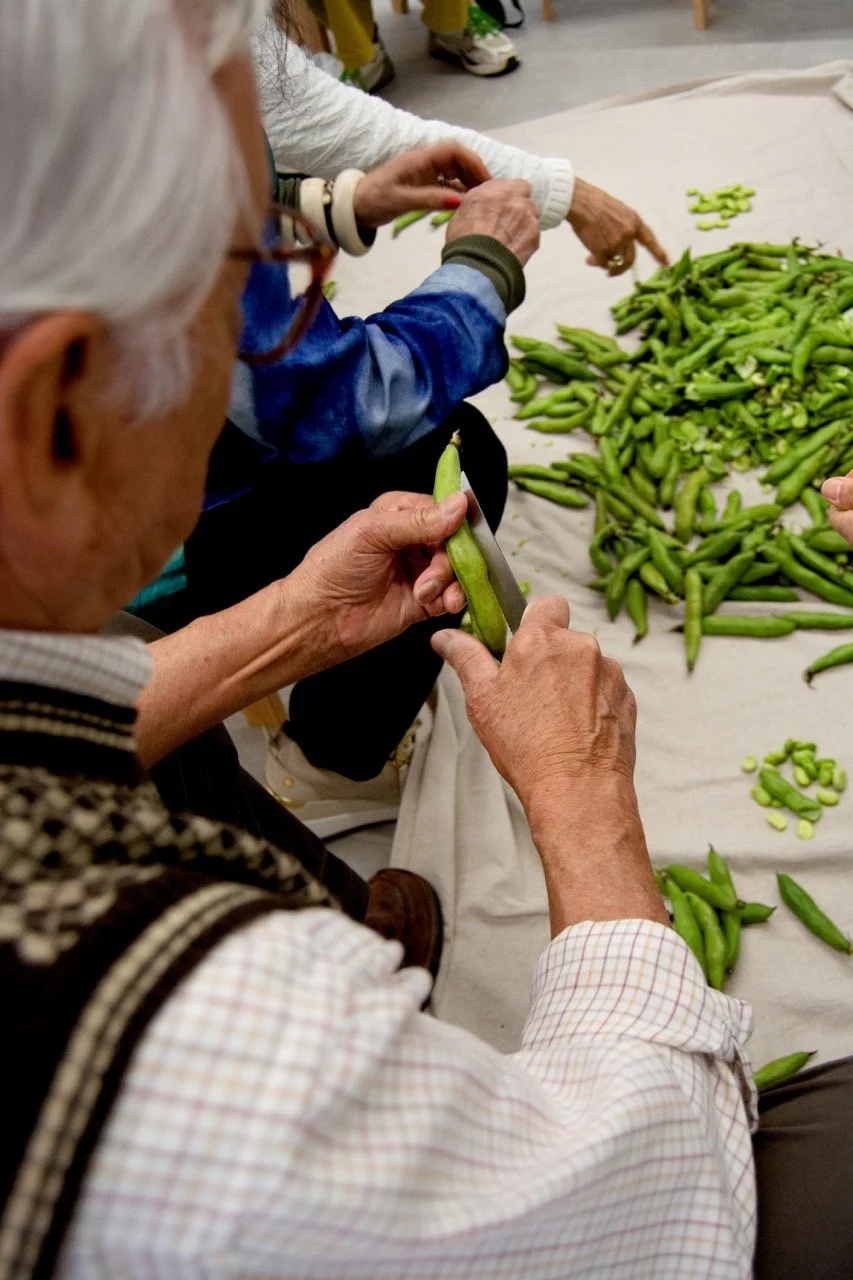
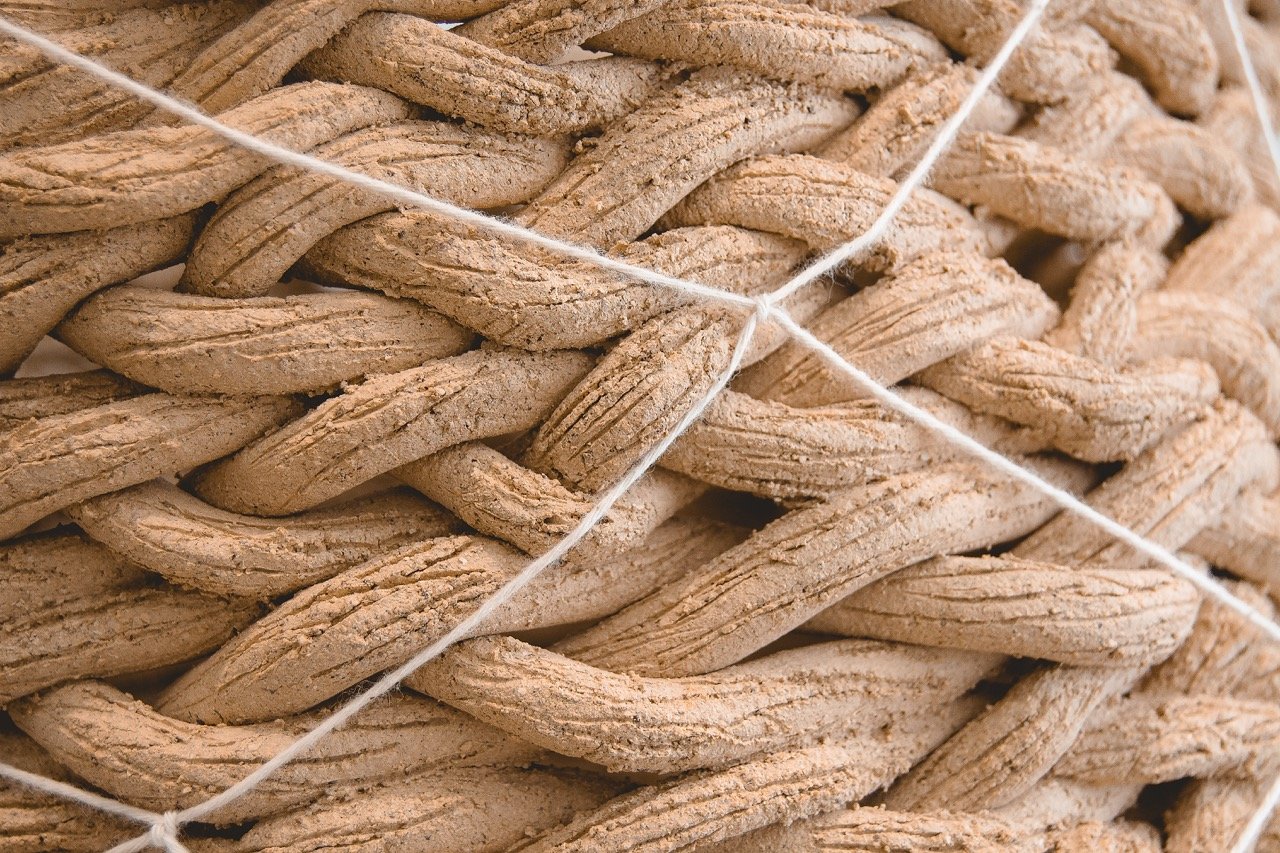
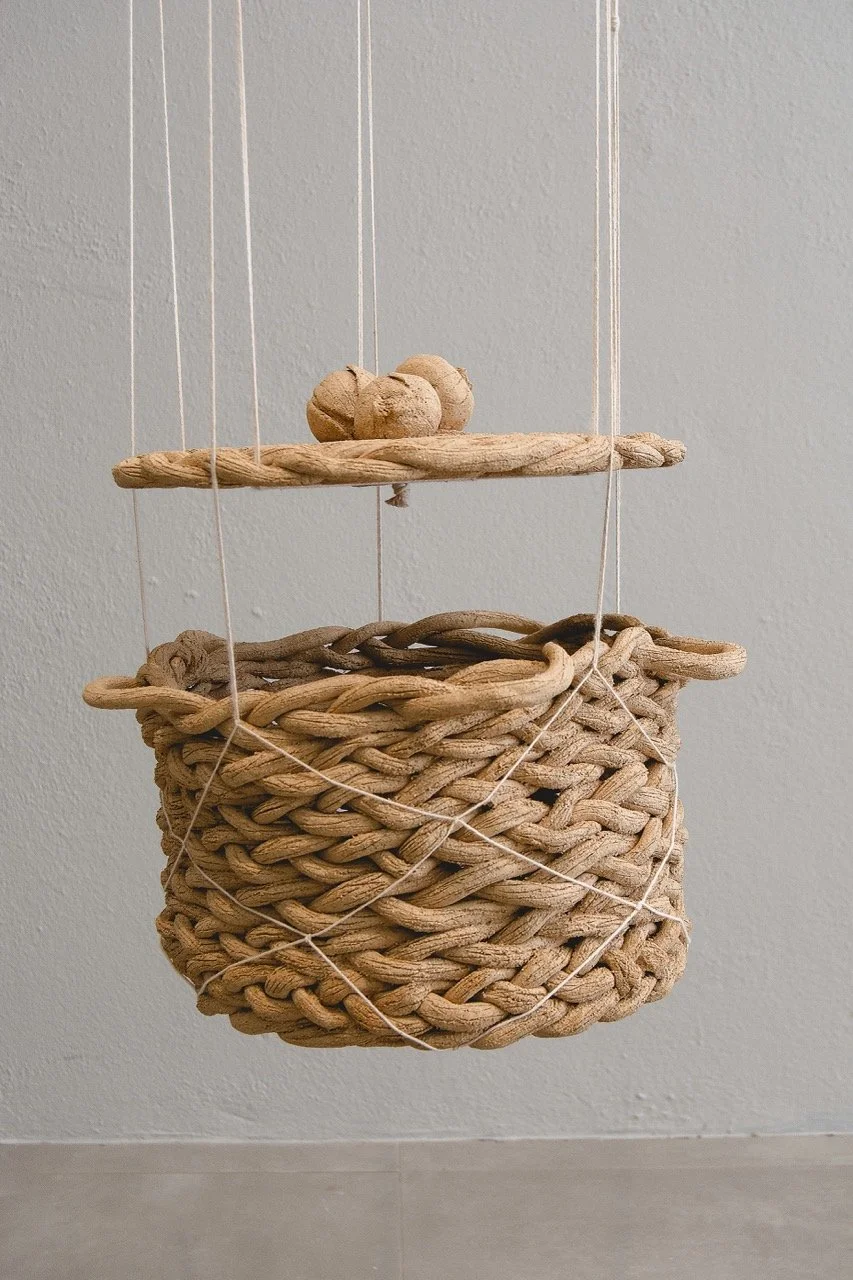
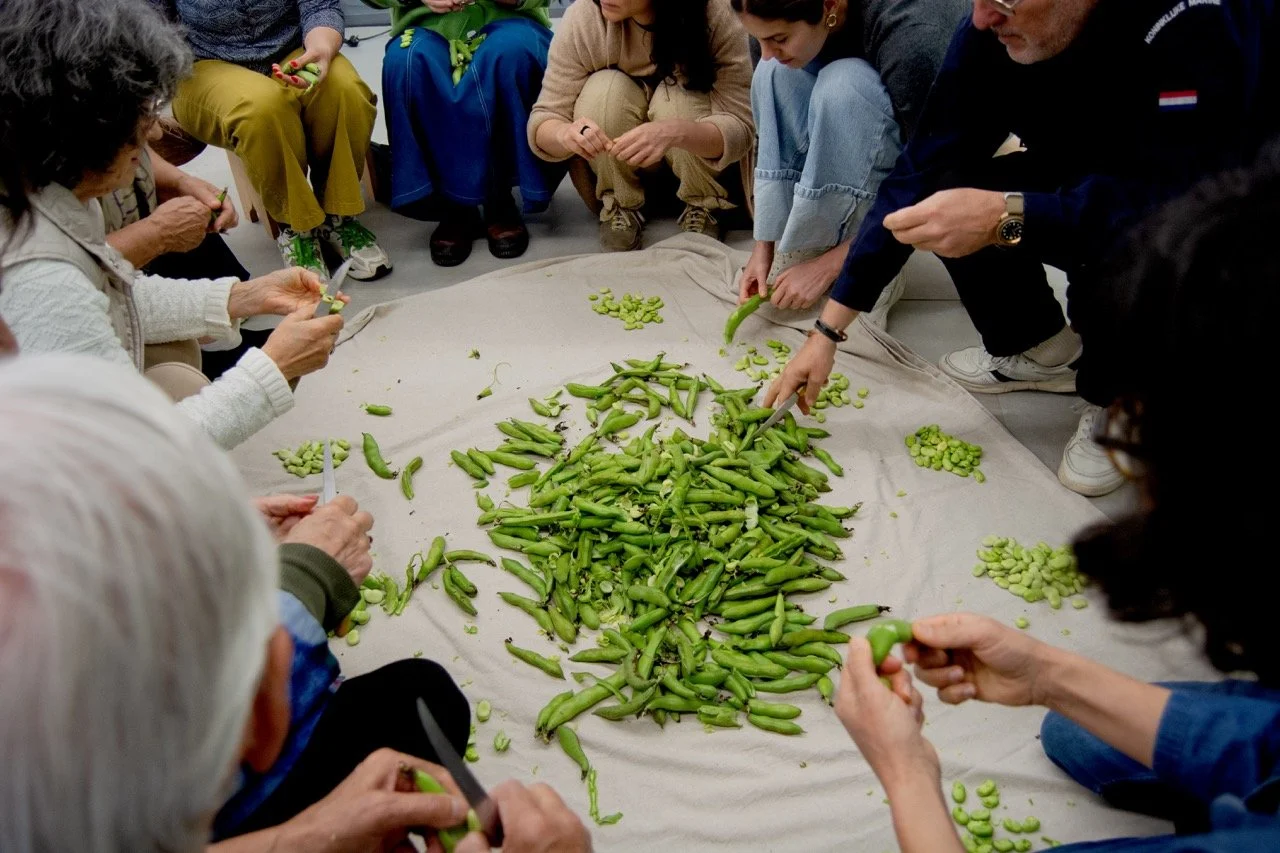
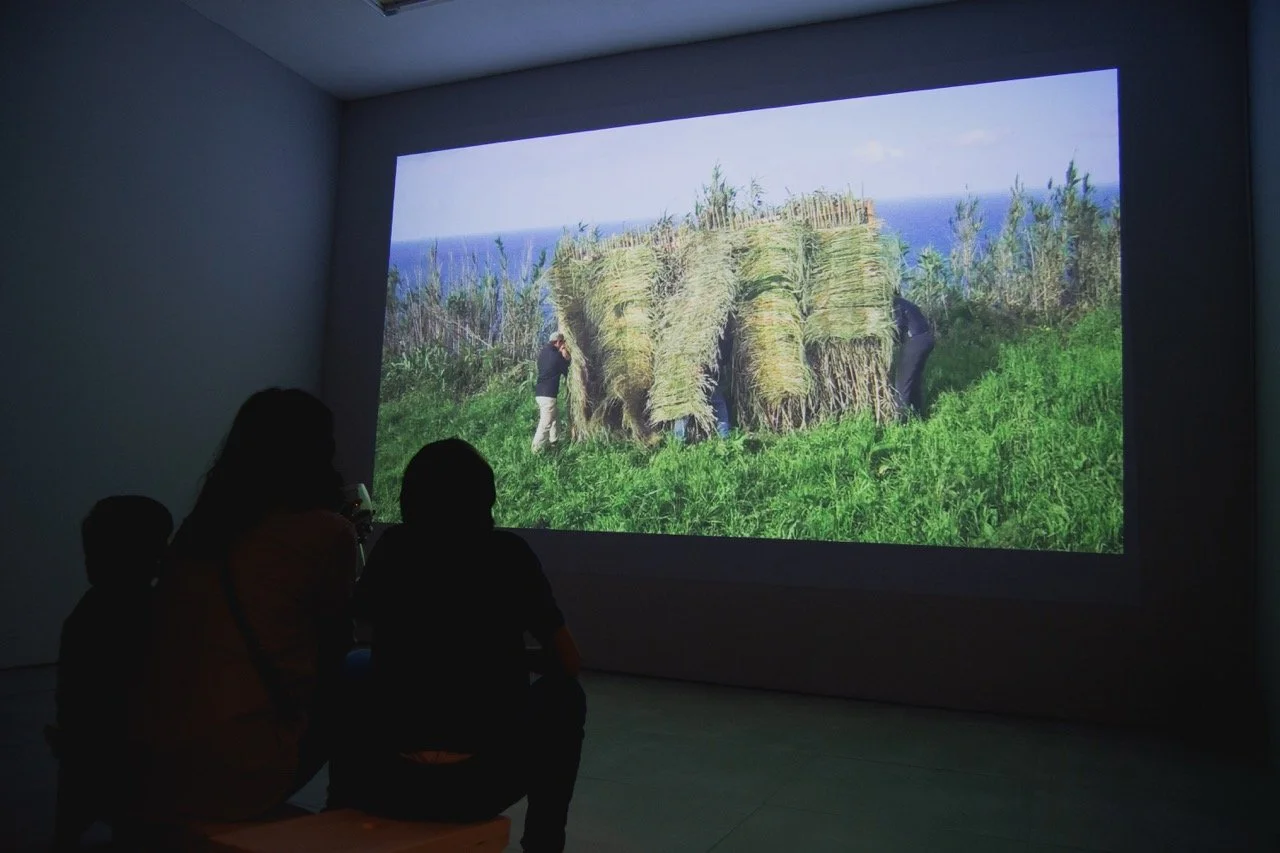
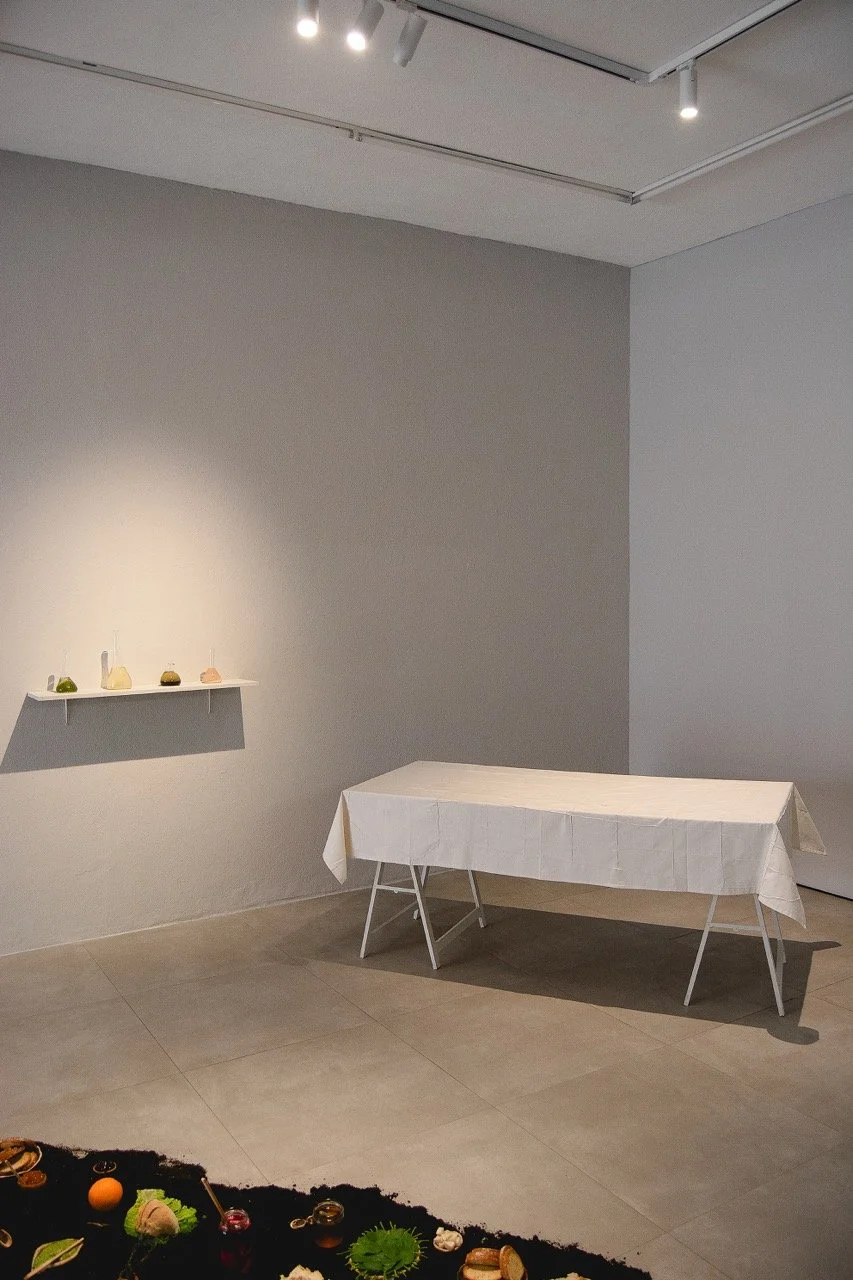
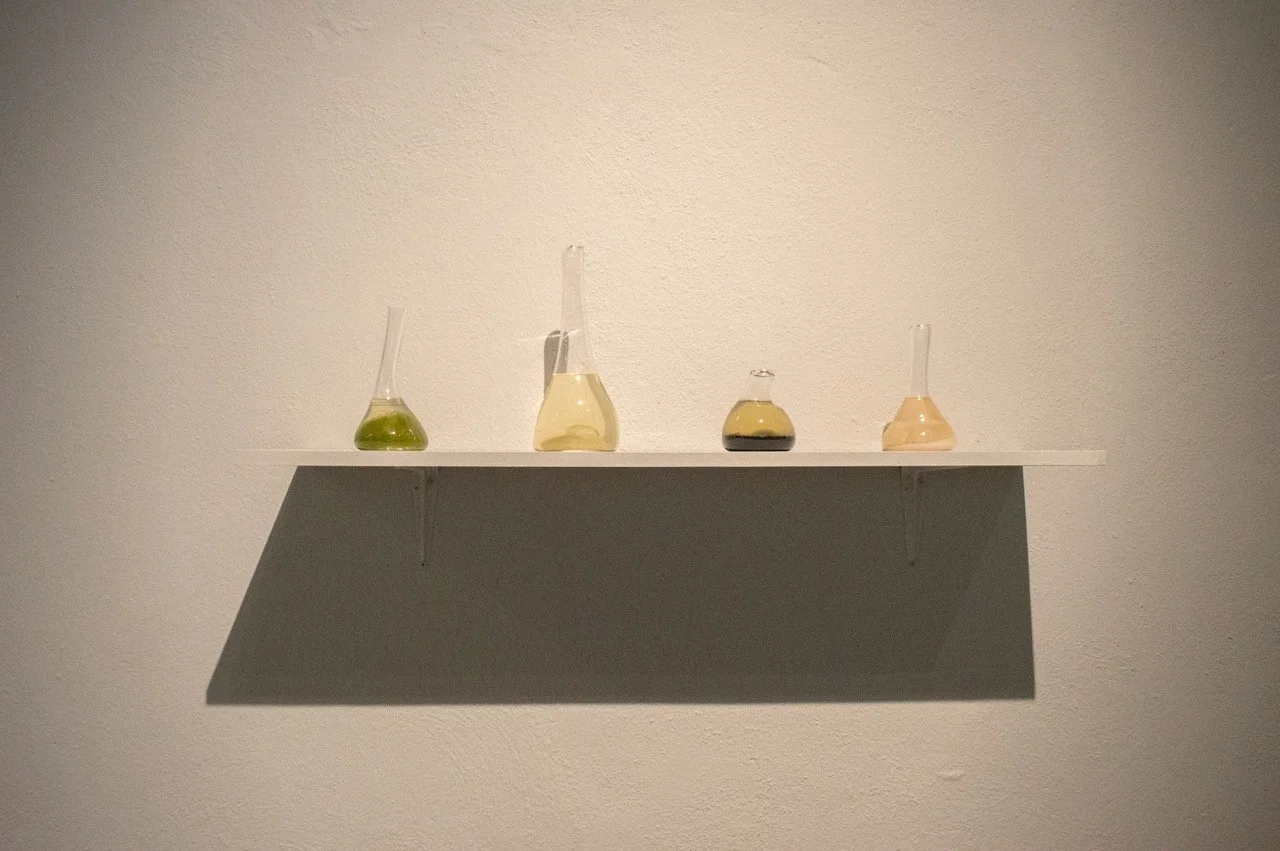
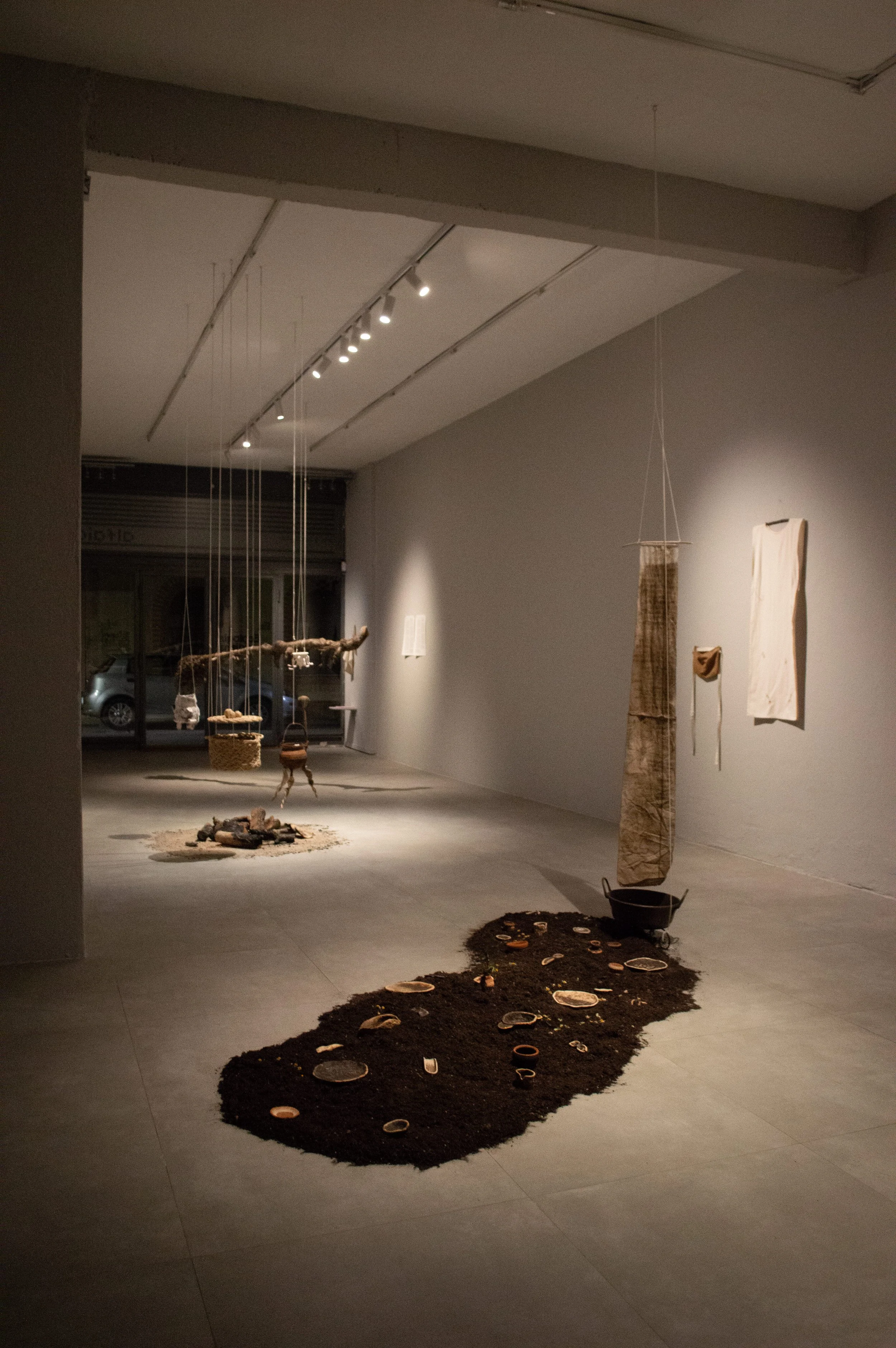
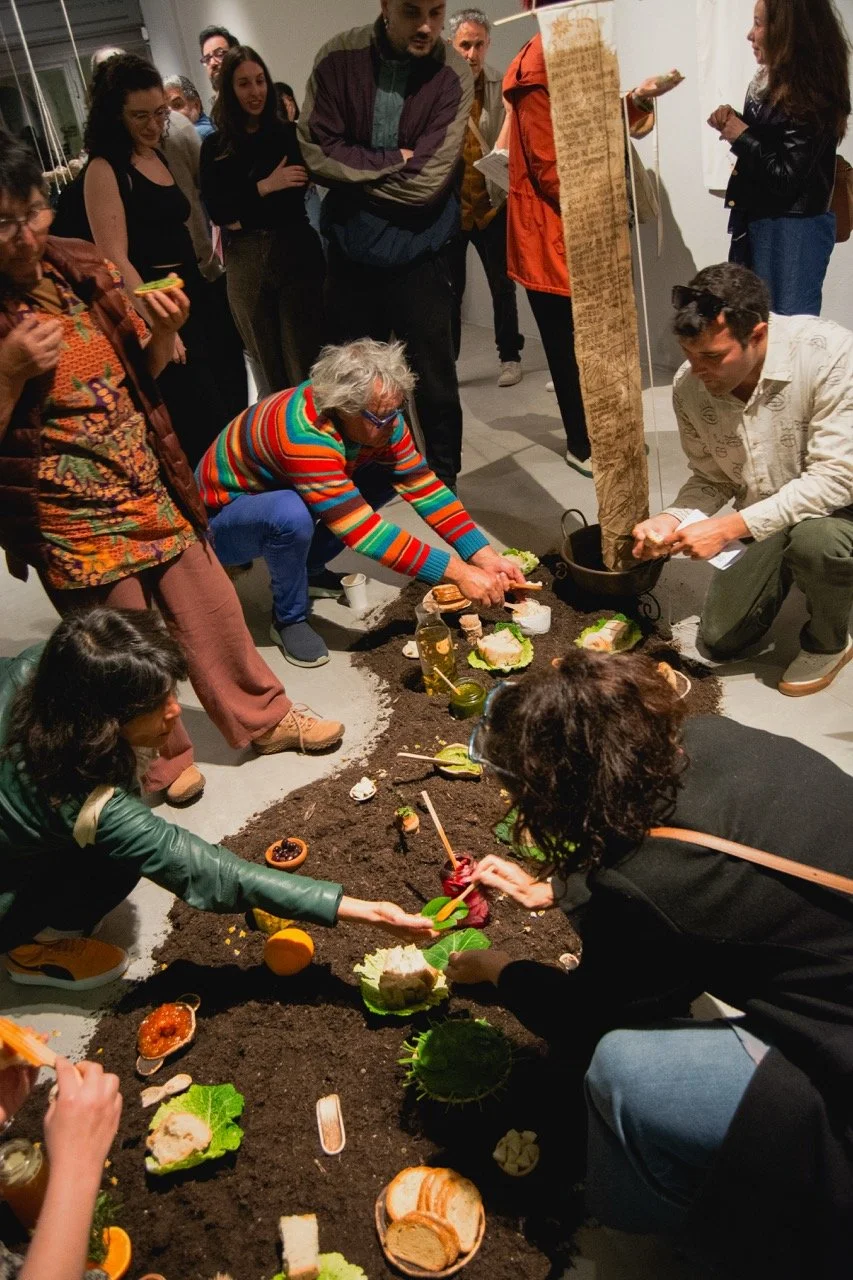
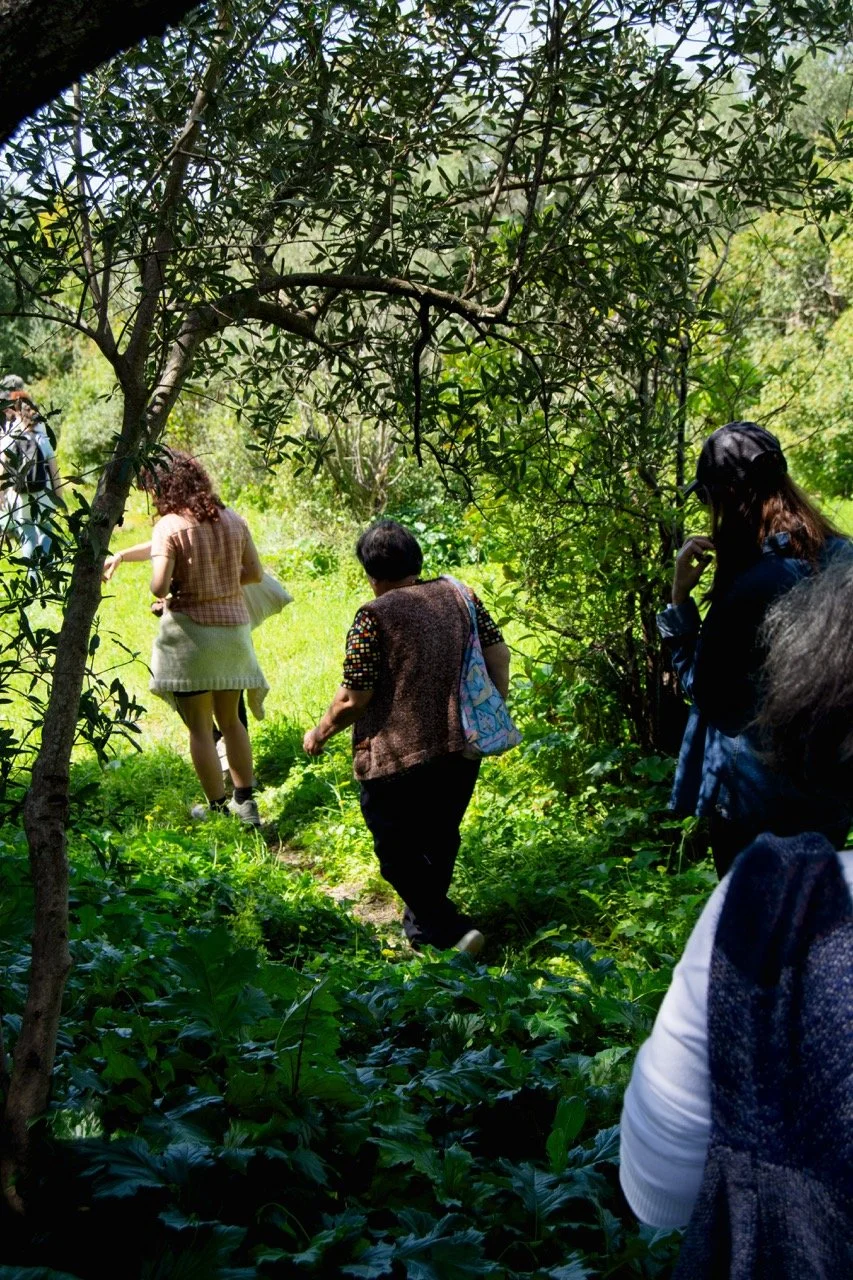
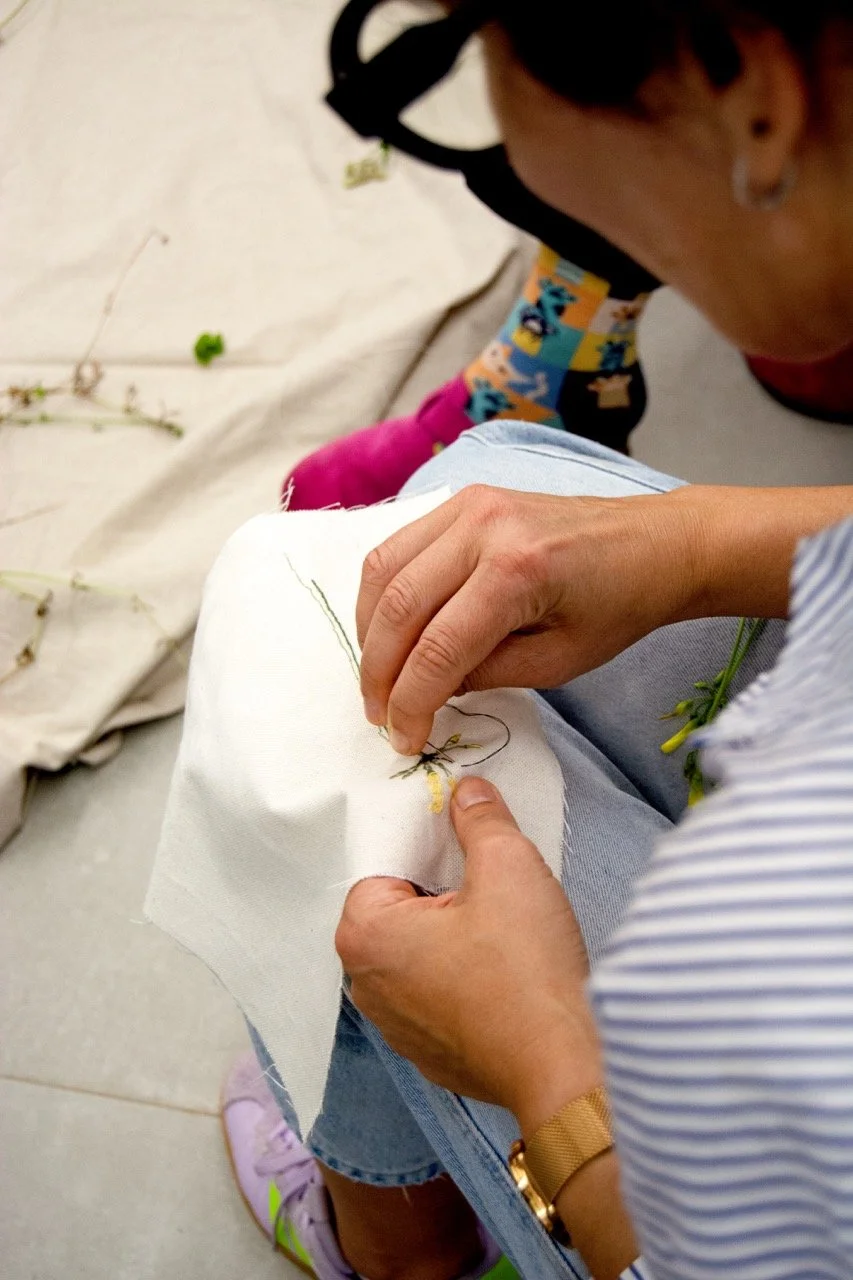
Ecologia Quotidiana is the first ‘solo show’ of Portuguese artist and researcher Inês Coelho da Silva. By reviewing the interconnectedness of organisms, landscapes, and convivial practices, the artist explores the links between the making/tending of a home and an expanded sense of ecology (which, etymologically, means discourse around the house), blurring the lines between private and collective. As a result of this research, Ecologia Quotidiana turns the format of the solo exhibition on its head, focusing on Coelho da Silva’s relations with her close community of human and more-than-human friends. Moving past Western art’s attachment to authorialism, the show explores intuition, gossip, fieldwork, communal craft, and collective imagination as modalities to facilitate companionship, a fundamental component of Coelho da Silva’s practice. In this sense, each artwork performs a two-fold function: on the one hand, they present material evidence of ongoing relationships rooted in intimate and creative solidarity; on the other hand, they double as tools or actions that link collective embodied knowledge to a lineage of feminine craft and interspecies care. This is the case with the first artwork we encounter in the exhibition: a witch broom suspended in midair, a crafted composition of a knotty kiwi branch from the neighbourhood where the artist grew up and mugwort, a plant that induces lucid dreams and regulates menstrual cycles. The juxtaposition of this sculpture titled To remember to be a witch and the creative text Peeing in the Garden: on Interspecies Kinship and Witchcraft ties the recollection of the practices of the artist’s grandmother to those of witches, whose sensitivity to the land and feminine crafts braid speculative trajectories with material engagement. From brooms to caldrons, the work Receitas para dias comuns e outras magias is a collection of four pots, each created by an individual artist (Inês Miguel Oliveira, Paula Lima, Joana BC, and Inês Coelho da Silva), yet all under the creative influence of one another. These cooking utensils are imagined solely for use in specific potion-poems, presented on the wall and exploring remembrance, family, gratitude, grief, magical thinking, and more-than-human companionship. The practice of cooking among interspecies ways of being is also at the core of Jardins espontâneos, the latest culinary collaboration between Inês Coelho da Silva, Inés Ballesteros and Alicia Monreal Ortega. For the opening, a food installation gathers foraged plants, whole foods, gestures of conviviality, and sculptural crockery, portraying the exhibition’s expanded ecology in an intimate, sensorial texture that embodies landscape relationships. Nearby, A Slow Notebook shows an apron embroidered with plants. Harnessing the slow nature of embroidery, the making of this textile work deliberately requires the time to study a companion species in its anatomy, properties, and the tales it carries. The geopolitical, environmental and sensible merge in the project A Salt Anthology, created in 2023 with Joana Viveiros and Kevin Bellò. Exploring the saltpans of Aveiro, a lively, entangled and endangered ecosystem of human and more-than-human actors that required constant care, the installation is composed of A Salt Story 14, a tablecloth portraying a bird's-eye view of the saltpans, and A Salt Story 17, a new glasswork containing samples of salt, mud, algae and microbial life. Interspecies co-creation is also investigated in Gossip and the Commons, a project created with Kita Rancaño Ward for the Walk&Talk - Bienal de Artes 2025, which focuses on gossip as a crucial form of oral storytelling, cultural transmission, and interspecies attunement. The artists invited a community of elderly artisans from the Azores to take part in the realisation of a sculpture for cows by braiding local plants. The process, portrayed in the video shown here, was a moving intergenerational exchange on motherhood, environmentalism and tradition, in which the crafting together quickly shifted to crafting togetherness. The video can be experienced from small wooden benches colloquially known as mochos, which together compose a new installation titled Maridás. By gathering these old artisanal stools from family and friends, this work became an opportunity to share childhood memories across generations, including the recording of stories about the artist's grandmother's friend group (who lovingly called each other ‘maridá’). Between readymades, artisanal artefacts, childhood benches, and archaeological finds, the mochos convey a sense of interconnectedness that is further exemplified by their use: Maridás is both a theatre and a set of tools for the public programme of Ecologia Quotidiana, which includes foraging, workshops on plant embroidery and bread-amulet making, and moments for collective cooking and eating. The ‘solo’ in the solo-exhibition is substituted by the recognition and the celebration of the vital plurality that aliments any ecological art practice. Through the display and its numerous activations, Ecologia Quotidiana understands that foraged plants are intimately linked to the hands that braid them, that ingredients are inseparable from the imagination that gathers them, that every voice is intimately a choir, and that every (artistic) practice takes a village to grow.
Text by Kevin Bellò
Commissioned by Alfaia, Loulé, PT
In collaboration with: Kita Rancaño Ward, Inês Miguel Oliveira, Paula Lima, Joana BC, Inés Ballesteros, Alicia Monreal Ortega, Fernanda Botelho, Inês Neto dos Santos, João Pedro Soares, Joana Viveiros, Gil Raro, Fernanda Sousa, Mafalda Coelho da Silva, Maria André.
Photographs by Inês Coelho da Silva and João Pedro Soares